
Sail through language: English words related to the sea, ocean, and adventure
Sail through language: this extensive guide will accompany you word by word to master English vocabulary related to the sea, the ocean, and adventure with examples, practices, and useful phrases for travelers, students, and enthusiasts.
- Learn English fast and easy
- Your first course for free
- Start now
Why learn sea-related words in English
The sea and sailing have always been sources of metaphors, stories, and journeys. Knowing how to say ship, wave, or harbor in context allows you to communicate better on trips, understand literature, and enjoy audiovisual content with more nuances. Also, many professions and hobbies — diving, recreational sailing, coastal tourism — depend on specific vocabulary that provides safety and confidence.
Key words to learn marine vocabulary
In this section, you will see lists organized by categories; each word comes with simple definitions, real examples, and useful variations. Apply these lists in your daily practice and you will notice fast progress.
Essential nouns
- Sea: sea. Example: The sea was calm at dawn.
- Ocean: ocean. Example: We sailed across the Atlantic Ocean.
- Shore / Coast: shore / coast. Example: She walked along the shore.
- Harbor / Port: harbor / port. Example: The ship entered the harbor at night.
- Wave: wave. Example: Huge waves crashed against the rocks.
- Current: current. Example: Strong currents can be dangerous for swimmers.
- Tide: tide. Example: High tide reached the cliffs.
- Deck: ship deck. Example: He stood on the deck watching the horizon.
- Crew: crew. Example: The crew prepared the sails.
- Anchor: anchor. Example: They dropped the anchor near the bay.
Explanation: grouping nouns by usage frequency helps you prioritize studying. Start with the 10–20 most common words and then expand to technical terms.
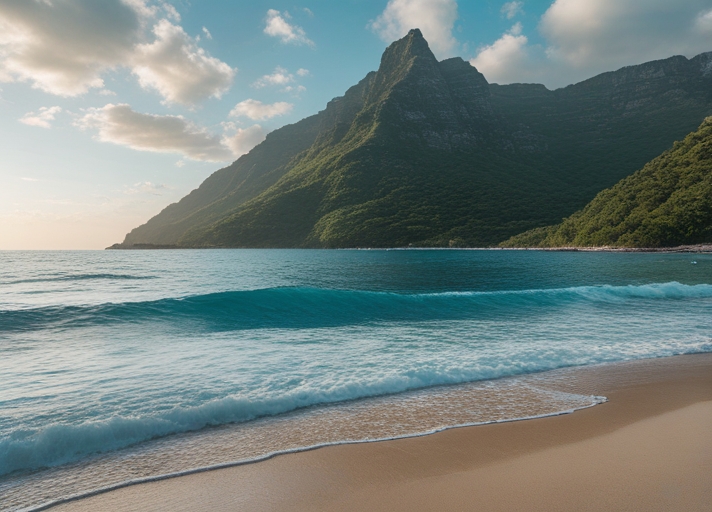
Useful verbs
- Sail — to sail. Example: We plan to sail at sunrise.
- Dive — to dive. Example: She loves to dive near coral reefs.
- Dock — to dock. Example: The boat will dock at noon.
- Ferry — to ferry (verb/rare). Example: The service ferries passengers across the bay.
- Drift — to drift. Example: The raft drifted with the current.
Explanation: verbs allow you to build actions and stories. Practice them in short sentences and picture descriptions to fix them better.
Adjectives and adverbs that paint the scene
- Calm — calm / calmly. Example: The sea was calm.
- Stormy — stormy. Example: Stormy weather forced them to return.
- Deep — deep. Example: The water is too deep for swimming here.
- Shallow — shallow. Example: Shallow waters protect the reef.
Explanation: adjectives create atmosphere. Use them in visual or narrative descriptions to practice intentions and intonation in English.
Sea-related idioms and sayings
The sea is full of metaphors that passed into everyday English use. Knowing them will help you understand conversations and literary texts:
- To weather the storm — to overcome difficulties. Example: They weathered the storm and rebuilt their business.
- Plain sailing — something easy. Example: Once you learn the basics, it’s plain sailing.
- To be in deep water — to be in trouble.
- To rock the boat — to cause problems or disruptions.
Explanation: idioms are frequent in media and conversations. Learn the meaning and practice with personal examples to remember them longer.
Basic technical vocabulary
- Bow / Stern — bow / stern.
- Port / Starboard — port / starboard.
- Mast / Sail — mast / sail.
- Keel — keel.
Explanation: although they seem technical, these terms appear in guides, navigation programs, and conversations. Memorize them with images or flashcards (flashcards).
How to practice and retain this vocabulary
Reading lists is not enough. Here are proven methods to consolidate what you learn, designed for easy integration into your routine:
Daily routines and micro-practices
- Label objects: use notes with the English word stuck to images or related objects (for example: beach photo = “shore”).
- Describe aloud: watch a sea video and describe it in English for 2–3 minutes.
- Mini-diary: write 3 daily phrases about the sea using new words.
Explanation: spaced repetition and frequent exposure increase retention (mere exposure effect). Small repeated actions generate big impact.
Practice with real content
- Read travel articles about islands and highlight new vocabulary.
- Watch documentaries about oceans and note expressions.
- Listen to navigation podcasts and repeat phrases.
Explanation: consuming authentic content exposes you to collocations and natural intonation, speeding comprehension.
Practical examples and model dialogue
Below, a short dialogue using practical vocabulary; you can memorize it or adapt its sentences to real situations:
Anna: Are we ready to sail at dawn?
Tom: Yes, the crew checked the anchor and the deck is clear.
Explanation: dialogues help integrate pronunciation and rhythm. Read them aloud and record yourself to correct intonation.
Personified example
Maria is a tourism student who travels along the coast. Every morning she describes a different bay in English: “The bay is quiet, with small waves and a shallow shore.” In two weeks, Maria went from knowing 15 words to using 60 in real context because she combined reading, observation, and mini-diaries.
Explanation: a close example shows how to apply simple methods with quick results.
Thematic lists for travel and adventure
Organizing vocabulary by scenarios makes it easier to remember what to say at every moment:
At the beach
- towel — towel
- sunblock — sunscreen
- lifeguard — lifeguard
On a boat
- captain — captain
- navigation — navigation
- compass — compass
Explanation: grouping by context helps automatically remember which words to use when you find yourself in that real situation.
Common mistakes and how to avoid them
Frequent mistakes occur due to literal translation or confusion between close terms. Here are practical solutions:
- Confusing sea and ocean: think of ocean as a large mass, sea as more local.
- Port vs. harbor: both can mean port; harbor evokes shelter, port is a more technical term.
- Wave vs. current: a wave is visible movement; current is flow in the water.
Explanation: anchoring meanings with mental images reduces mistakes. Repeat the problematic pairs and create your own sentences to differentiate them.
Quick resources to keep learning
If you want to deepen your understanding of verb structures that usually appear in maritime stories, I recommend checking out grammar guides and advanced exercises. You can consult a practical explanation about verb tenses that will help you narrate past trips clearly: past perfect continuous.
Explanation: mastering verb tenses will allow you to tell adventures with precision and emotion.
30-day study plan
A simple and effective plan to integrate this vocabulary in a month:
- Days 1–7: 15 basic words per day and short sentences.
- Days 8–15: idioms and collocations; write one paragraph daily.
- Days 16–23: audiovisual content and recorded dialogue.
- Days 24–30: final project — narrate a mini-adventure in English (audio + text).
Explanation: the graduated structure maximizes the learning curve and keeps motivation high.
Final tips and call to action
Start today: consistency beats talent in language. If you apply small daily practices, you will notice confidence in speaking about the sea, sailing, and adventure within weeks. Rely on lists, real contexts, and spaced repetition.
If you want to deepen more into grammar applied to maritime stories and descriptions, try this explanation about verb tenses for past narration: past perfect continuous.
Fair winds and following seas: practice with curiosity, track your progress, and share phrases with friends. Learning sea vocabulary in English opens doors to unforgettable trips, readings, and conversations.