
Beautify your language: flowers in English, flower names and how to say rose in English
Beautify your language: this article will guide you step-by-step to enrich your vocabulary with flowers in English, the most common flower names, and especially, how to say rose in English.
- Learn English fast and easy
- Your first course for free
- Start now
Why learning flower names in English brings you closer to culture and communication
Learning flowers in English is much more than memorizing words: it’s connecting images, scents, and emotions with sounds and structures that allow you to express feelings and nuances. If you’re looking for flower in English, or specifically how to say rose in English, this article offers you a practical investigation and a complete guide so you can retain vocabulary effectively.
An example of why remembering a flower changes the language
Imagine you’re in a garden and someone asks you in English: "What’s your favorite flower?". If you know the words, you will answer confidently and keep a conversation going. In this sense, learning how to say flowers in English and flower names in English opens doors both socially and professionally.
How to say "rose" in English and its most common forms
The word rosa in English is "rose". Note the variants:
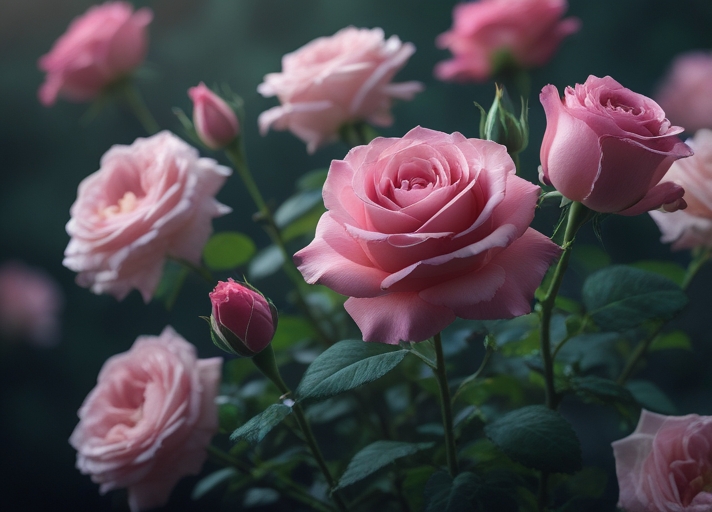
- Singular: rose (example: "A rose is red." — "Una rosa es roja.")
- Plural: roses (example: "Roses smell wonderful." — "Las rosas huelen maravilloso.")
- Common adjectives: "rosy" (example: "a rosy hue" — "un tono rosado")
It’s also useful to know derivatives and expressions: "a bed of roses" (literally "una cama de rosas", used figuratively) or "to stop and smell the roses" (stop to enjoy the little things).
Pronunciation and mnemonic trick
Pronounce rose as /roʊz/ (sounds like "rouz" with a soft ‘r’ and a ‘z’ at the end). A trick to remember: imagine a rose (mental image) and associate it with the long /oʊ/ sound — whenever you hear that sound think of the open petal.
Complete list of flower names in English and how to use them in context
Below you have a broad list with flower names in English, their translation and an example sentence with translation so there is no doubt.
Common flowers: essential vocabulary
- Rose — rosa. Example: "She gave me a rose." — "Ella me dio una rosa."
- Sunflower — girasol. Example: "Sunflowers turn towards the sun." — "Los girasoles se orientan hacia el sol."
- Tulip — tulipán. Example: "Tulips bloom in spring." — "Los tulipanes florecen en primavera."
- Lily — lirio. Example: "The lily smelled sweet." — "El lirio olía dulce."
- Daisy — margarita. Example: "A daisy field looks cheerful." — "Un campo de margaritas se ve alegre."
- Orchid — orquídea. Example: "Orchids require special care." — "Las orquídeas requieren cuidado especial."
- Lavender — lavanda. Example: "Lavender has a calming scent." — "La lavanda tiene un aroma calmante."
- Chrysanthemum — crisantemo. Example: "Chrysanthemums are common in autumn." — "Los crisantemos son comunes en otoño."
- Peony — peonía. Example: "Peonies are large and fragrant." — "Las peonías son grandes y fragantes."
- Poppy — amapola. Example: "Poppies often grow in fields." — "Las amapolas suelen crecer en campos."
This list covers many of the flower names in English you will see in gardening, poetry, and everyday conversation.
Related plants and useful vocabulary
If you are looking for plants in English, here are terms you should have handy:
- Plant — planta
- Tree — árbol
- Shrub — arbusto
- Leaf — hoja
- Stem — tallo
- Root — raíz
Example in context: "The plant has green leaves and a strong stem." — "La planta tiene hojas verdes y un tallo fuerte."
How to write "flores" in English and spelling variations
The direct translation of "flores" into English is "flowers". Note the simple rule: singular "flower" and plural "flowers". If you ask yourself how to write flores in English, remember the final ‘s’ for the plural.
Common writing mistakes
- Forgetting the s in the plural: writing "flower" when referring to "flowers".
- Confusing homophones in English: "flour" (harina) vs "flower" (flor). Example: "Don’t confuse flour with flower." — "No confundas harina con flor."
A practical tip: associate the word "flower" with the mental image of petals; associate "flour" with cooking flour to avoid confusion.
Techniques to memorize flower names and retain vocabulary
Learning flower names in English can be easy if you apply memory strategies combined with context and repetition.
Effective strategies
- Visual association: relate each word with a vivid image. For example, associate sunflower with a big yellow head facing the sun.
- Contextual sentences: create short sentences using the word. Example: "I bought tulips for my friend." — "Compré tulipanes para mi amiga."
- Spaced repetition: review the list at intervals: 1 day, 3 days, 7 days, 15 days.
- Personification: invent a short story with a character who loves flowers (for example, María, see example below).
- Sound association: connect English sounds with words in your language to reinforce memory.
These strategies incorporate psychological retention principles: primacy and recency (show key words at the beginning and end), mere exposure effect (repeat to familiarize), and social proof (mention that many students use these techniques).
Personified example: María’s story
María is a student who wants to improve her English to work in a flower shop. Every morning she reviews five flower names in English and creates a flashcard with a photo. After a month, María could confidently describe floral arrangements: "I arranged roses and lilies" — "Organicé rosas y lirios". This fictional person helps understand how daily practice changes memory.
Useful phrases and expressions with flower names
Knowing common expressions helps you sound natural:
Idiomatic expressions
- "A bed of roses" — easy or pleasant situation. Example: "Life isn’t a bed of roses." — "La vida no es un lecho de rosas."
- "Stop and smell the roses" — enjoy the little things. Example: "Take time to stop and smell the roses." — "Tómate tiempo para disfrutar de las pequeñas cosas."
- "Nip it in the bud" — stop something at its start (using "bud" meaning bud). Example: "We need to nip the problem in the bud." — "Necesitamos cortar el problema de raíz."
Practical activities and exercises to consolidate what you’ve learned
Below you will find exercises you can do alone or with a partner. Each exercise includes instructions and the translation of the example sentences.
Exercise 1: quick association
Choose 10 words from the list (for example: rose, sunflower, tulip, lily, daisy, orchid, lavender, chrysanthemum, peony, poppy). Look at each word for 10 seconds and describe the image in English and Spanish:
Example: "A sunflower is tall and bright" — "Un girasol es alto y brillante".
Exercise 2: simulated conversation
Simulate a conversation where you work in a flower shop and attend a customer. Use phrases like: "Which flowers would you like?" — "¿Qué flores le gustaría?" and practice giving recommendations: "These roses are perfect for a romantic gift." — "Estas rosas son perfectas para un regalo romántico."
Common mistakes and how to avoid them
When we learn new vocabulary, certain recurring mistakes appear. Here are the most common with practical solutions.
Confusion between similar words
- Flower vs Flour — remember the image for each word.
- Rose vs Rows — "rows" (lines) is a partial homophone; pronounce them carefully.
False friends and literal translations
Do not translate idiomatic expressions literally. For example, "hacer una rosa" (make a rose) makes no sense in English; instead, you would say "make a bouquet".
How to integrate these terms into your everyday English
The goal is not only to memorize but to use them. Introduce the words into your daily descriptions, in social media photos, and in conversations: "I saw beautiful peonies today" — "Vi peonías hermosas hoy". With practice, flower names in English will naturally integrate into your repertoire.
Final practical tip
Create a mental playlist: each word is linked to a melody, image, or gesture. This facilitates recall and makes learning more enjoyable.
Resources and next step
If you want to deepen your knowledge of English grammar and how to correctly use tenses and structures when talking about plants and flowers, visit our dedicated section on English grammar to get structured lessons and practical exercises.
Conclusion: transform your vocabulary, transform your conversations
Knowing flowers in English, how to say rose in English, and flower names in English allows you to communicate feelings and participate in richer conversations. Apply association techniques, practice in context, and spaced repetition. Remember María: consistency is key. If you practice daily, in a few weeks you will notice a remarkable improvement in your fluency and confidence.