
Beautify your language: flowers in English, flower names, and how to say rose in English
Quick introduction: If you want to enrich the way you speak English and learn not only how to say a rose but also a wide variety of flowers in English and their nuances, this article will guide you step by step with clear examples, useful lists, and effective tips. Learn how to say flowers, how to spell them, and how to integrate them into conversations and descriptions that sound natural.
- Learn English fast and easy
- Your first course for free
- Start now
Why learning flower names in English improves your expression
Knowing flowers in English and flower names in English is not just memorizing vocabulary: it is expanding your descriptive repertoire, improving emotional accuracy, and gaining confidence when speaking. When you know what a flower is called, you can describe colors, textures, and sensations more authentically and memorably. This enhances both everyday communication and creative expression (for example, writing a message, a card, or a description for social media).
Discover the key words: flowers in English, names, and uses
In this section you will see lists with the most common ways to say and write vocabulary related to plants and flowers. We include variants like flower in English, how to say rose in English, how to say flowers in English, plants in English, flower names in English, how to spell flowers in English and flower name in English. These variants ensure you can recognize and use the correct term in any context.
Essential list: common flowers and their translation
- Rose — rose (practical example: "The rose smells wonderful." / "La rosa huele maravillosamente.")
- Tulip — tulip ("A red tulip brightened the room." / "Un tulipán rojo alegró la habitación.")
- Sunflower — sunflower ("Sunflowers follow the sun." / "Los girasoles siguen al sol.")
- Lily — lily ("The white lily looks elegant." / "El lirio blanco parece elegante.")
- Carnation — carnation ("She wore a pink carnation." / "Llevaba un clavel rosa.")
- Orchid — orchid ("Orchids are delicate and exotic." / "Las orquídeas son delicadas y exóticas.")
- Violet — violet ("Violets are small but fragrant." / "Las violetas son pequeñas pero fragantes.")
- Daisy — daisy ("The daisies created a casual bouquet." / "Las margaritas crearon un ramo informal.")
- Jasmine — jasmine ("Jasmine tea has a sweet aroma." / "El té de jazmín tiene un aroma dulce.")
- Hydrangea — hydrangea ("Hydrangeas bloom in large clusters." / "Las hortensias florecen en grandes racimos.")
Usage tip: when learning each word, repeat the English form aloud and create a simple sentence with a translation, as in the examples above. This reinforces memory and pronunciation.
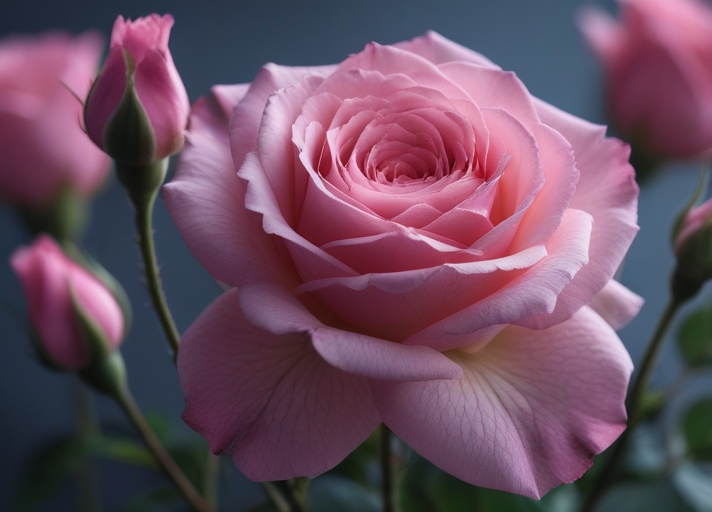
How to say "rose" in English: pronunciation, plural, and usage
Rose — rose
- Approximate pronunciation in Spanish: /roʊz/ — think of a sound between "rous" and prolonged "rous".
- Plural: roses ("I bought three roses" / "Compré tres rosas").
- Uses in phrases: can indicate color, feeling, or symbol. Examples: "A red rose symbolizes love." / "Una rosa roja simboliza amor."
How to correctly write flower names in English and common mistakes
One frequent mistake when writing flower names in English is translating literally from Spanish without checking the plural form or spelling. Confusion also happens with similar words (for example, lily vs. lilac — "lilac" means lilac). Here you will see rules and tricks to avoid errors.
Quick rules and exceptions
- Regular plural: add -s (rose → roses, tulip → tulips).
- Words ending in -y: change -y to -ies when appropriate (not very common in flowers, but useful for derived adjectives).
- Compound names: in expressions like "wild rose" the order in English is different: first the adjective or specifier, then the noun.
- Capitalization: common flower names are not capitalized unless part of a proper name or title.
Common mistakes
- Confusing "orchid" (orchid) with "orchard" (fruit orchard). They are similar words differing by one letter and meaning.
- Using literal translations that do not exist: for example, "flower" is general; don’t say "flor" when you need "bloom" in specific contexts.
- Forgetting plural or agreement in the sentence: "The flower is beautiful" vs. "The flowers are beautiful."
Practical lists for learning: daily activities
Learning vocabulary is more effective with contextual practice. Here are activities designed to help you internalize flowers in English and plants in English without boredom.
7-day routine to memorize flower names
- Day 1: Visual memory — look at images and say the name in English and Spanish.
- Day 2: Pronunciation — record your voice saying each word and compare with a native speaker.
- Day 3: Writing — write short sentences using each word.
- Day 4: Emotional association — link each flower with an emotion or a memory.
- Day 5: Conversation — tell a short anecdote including 5 flowers in English.
- Day 6: Cultural context — learn idiomatic uses (for example, "to stop and smell the roses").
- Day 7: Review and self-assessment — create a mini test with flashcards.
These activities use spaced repetition and emotional association: two strategies that help long-term memory.
How to use flower names to describe people, places, and emotions
Flowers are powerful metaphors. Knowing how to say each flower in English allows you to create rich and natural images.
Literary and everyday examples
- Describe a person: "She has a shy smile, like a violet." / "Tiene una sonrisa tímida, como una violeta."
- Describe a landscape: "The field was full of wild tulips." / "El campo estaba lleno de tulipanes silvestres."
- Express emotion: "He gave her three roses as an apology." / "Le dio tres rosas como disculpa."
Practical activities: exercises and translated answers
Practicing with exercises helps automate usage. Below are examples with answers in Spanish to validate your understanding.
Exercise 1: Translate into English
- "Un ramo de margaritas" — "A bouquet of daisies."
- "Un lirio blanco" — "A white lily."
- "Orquídeas exóticas" — "Exotic orchids."
Exercise 2: Complete the sentence
Fill in the missing word and then check the translation:
- "She planted several _____ in the garden." (tulips) — "Ella plantó varios tulipanes en el jardín."
- "The sweet scent of _____ filled the room." (jasmine) — "El dulce aroma del jazmín llenó la habitación."
Cultural and symbolic uses of flowers in English
Knowing the symbolic meaning of flowers allows you to choose the right word according to context (for example, giving a "pink carnation" vs a "red rose").
Quick meanings
- Rose (rosa): love and passion (can vary by color).
- Sunflower (girasol): joy and admiration.
- Lily (lirio): purity or elegance.
- Orchid (orquídea): luxury and exoticism.
How to integrate this vocabulary into your daily learning
Integrate these words into daily micro-habits: put labels on pots, describe what you see, write English captions on social media (always with personal translation to practice), and use active repetition.
Personified example
Maria decided to improve her English by dedicating 10 minutes each day to describing flowers she saw in her neighborhood. She started by saying: "I saw a white lily today" — "Hoy vi un lirio blanco" — and gradually integrated more complex sentences. In four weeks, she went from memorizing isolated words to confidently describing complete floral arrangements in English.
Recommended resources and practices (no additional external links)
To deepen, practice with audio, repeat aloud, and create your own sentences. If you seek a structured guide on grammar to complement your floral vocabulary, consider reviewing materials about English grammar to connect vocabulary and grammar coherently.
Quick checklist to improve in 30 days
- Label 10 flowers in your house in English.
- Make 3 sentences per day using flower names.
- Read a short botanical description and translate it.
- Record and listen to your pronunciation weekly.
- Exchange messages with a study partner using at least 5 new words.
Conclusion: transform your language with flowers in English
Mastering flowers in English and flower names in English not only gives you new vocabulary: it allows you to describe emotions, connect culturally, and improve your fluency. Practice consistently, use the lists and exercises in this article, and remember that words like rose, tulip, or orchid work as bridges between language and feeling.
Ready to keep learning? Integrate these names into your daily life and make them part of your English voice. Practicing with intention transforms vocabulary into skill.