
Discover kitchen vocabulary in English: utensils, parts and more
Discover, learn and remember: this article will guide you step by step to master kitchen vocabulary in English —from utensils to the most important parts of a kitchen— with practical examples and real phrases to use today.
- Learn English fast and easy
- Your first course for free
- Start now
Why learning kitchen vocabulary in English improves your culinary and communication experience
Learning kitchen vocabulary in English is not just memorizing words: it’s building confidence to read recipes, follow videos, order ingredients, and communicate in real contexts. When you know the names of utensils and kitchen parts, you move confidently in an international supermarket, in a cooking class, or in a professional kitchen. Also, mastering this lexicon opens doors to online resources, original recipes, and the ability to understand instructions without relying on automatic translations.
In this article we have integrated both utensils in English and parts of the kitchen in English. You will find lists, example sentences (in English with their Spanish translation), practical exercises, and tips to memorize quickly. Throughout the text, I will use synonyms and semantic variants to reinforce the relationship between concepts and help you internalize the vocabulary.
Essential kitchen utensils: Example of must-haves
Below you have a list of basic kitchen utensils with their translation and a usage explanation. Each entry includes an English sentence and its Spanish translation so you know how it sounds in real context. These words were chosen for their frequency of use and practical relevance.
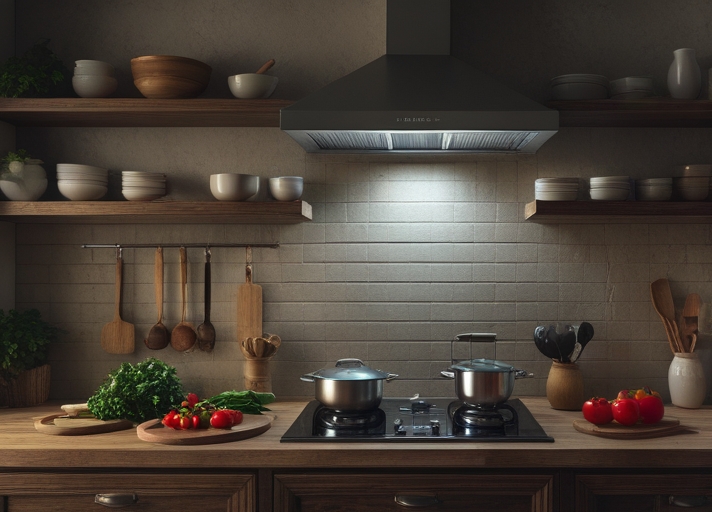
- Knife — Knife. Use: cutting, chopping, and filleting.
Example: “Use a sharp knife to slice the tomatoes.” — “Usa un cuchillo afilado para cortar las tomates.” - Fork — Fork. Use: stabbing food, holding or mixing.
Example: “She used a fork to stir the salad.” — “Ella usó un tenedor para mezclar la ensalada.” - Spoon — Spoon. Use: serving, tasting sauces, stirring.
Example: “Stir the soup with a wooden spoon.” — “Remueve la sopa con una cuchara de madera.” - Cutting board — Cutting board. Protects surfaces and is a base for cutting.
Example: “Place the vegetables on a cutting board before chopping.” — “Coloca las verduras sobre una tabla de cortar antes de picar.” - Pan — Frying pan. For frying, sautéing, and browning.
Example: “Heat the pan over medium heat.” — “Calienta la sartén a fuego medio.” - Pot — Pot. Cooking stews, soups, and boiling.
Example: “Boil the pasta in a large pot.” — “Hierve la pasta en una olla grande.” - Measuring cup — Measuring cup. For liquid amounts or converted grams.
Example: “Add two cups of flour.” — “Añade dos tazas de harina.” - Measuring spoon — Measuring spoon. Measure spices and small volumes.
Example: “Use a teaspoon of salt.” — “Usa una cucharadita de sal.” - Whisk — Whisk. Mix ingredients and emulsify.
Example: “Whisk the eggs until frothy.” — “Bate los huevos hasta que estén espumosos.” - Spatula — Spatula / skimmer. Flip and mix without damaging.
Example: “Flip the pancake with a spatula.” — “Gira la tortita con una espátula.” - Colander — Colander. Drain pasta and vegetables.
Example: “Drain the pasta in a colander.” — “Escurre la pasta en un colador.” - Grater — Grater. Grate cheese, citrus fruits or vegetables.
Example: “Grate some Parmesan over the pasta.” — “Ralla un poco de parmesano sobre la pasta.” - Peeler — Peeler. Remove skin from fruits and vegetables.
Example: “Peel the potatoes before boiling.” — “Pela las patatas antes de hervir.” - Mixing bowl — Mixing bowl. Combine dry and wet ingredients.
Example: “Mix the ingredients in a large mixing bowl.” — “Mezcla los ingredientes en un bol grande.” - Tongs — Tongs. Hold hot food without burning yourself.
Example: “Use tongs to turn the meat.” — “Usa pinzas para dar la vuelta a la carne.” - Timer — Timer. Control cooking time.
Example: “Set the timer for 20 minutes.” — “Pon el temporizador a 20 minutos.” - Blender — Blender. Grinding and purees.
Example: “Blend the soup until smooth.” — “Tritura la sopa hasta que quede suave.” - Oven — Oven. Baking and roasting.
Example: “Preheat the oven to 180°C.” — “Precalienta el horno a 180°C.” - Baking tray — Baking tray. For baking cookies or roasting vegetables.
Example: “Place the cookies on a baking tray.” — “Coloca las galletas en una bandeja de horno.” - Pastry brush — Pastry brush. Paint with egg or butter.
Example: “Brush the pastry with egg wash.” — “Pinta la masa con huevo batido.” - Kitchen scale — Kitchen scale. Measure precisely in grams.
Example: “Weigh the flour on a kitchen scale.” — “Pesa la harina en una báscula de cocina.” - Steamer — Steamer. Steam vegetables and fish.
Example: “Steam the broccoli for five minutes.” — “Cocina el brócoli al vapor durante cinco minutos.” - Thermometer — Thermometer. Check the internal temperature of meats.
Example: “Check the meat with a thermometer.” — “Comprueba la carne con un termómetro.” - Garlic press — Garlic press. To crush garlic cloves easily.
Example: “Press the garlic directly into the pan.” — “Presiona el ajo directamente en la sartén.” - Can opener — Can opener. Open canned goods.
Example: “Open the canned tomatoes with a can opener.” — “Abre los tomates enlatados con un abrelatas.” - Kitchen scissors — Kitchen scissors. Cut herbs and packaging.
Example: “Cut the herbs with kitchen scissors.” — “Corta las hierbas con tijeras de cocina.” - Meat mallet — Meat mallet. Flatten pieces of meat.
Example: “Tenderize the steak with a meat mallet.” — “Ablanda el filete con un mazo para carne.” - Splatter guard — Splatter guard. Keep the kitchen clean when frying.
Example: “Use a splatter guard when frying bacon.” — “Usa un protector contra salpicaduras al freír el bacon.” - Ice cream scoop — Ice cream scoop. Portion desserts or dough.
Example: “Scoop the dough with an ice cream scoop.” — “Sirve la masa con un cucharón para helado.”
Note: These words make up the basis of English kitchen vocabulary. Repeating them in context and with sentences helps you retain them faster.
How to practice the words: quick exercises
To strengthen the vocabulary, do short and repetitive exercises. Here are three simple practices you can do in 10–15 minutes daily:
- Physical labeling: Place labels on utensils with their name in English. Speaking while cooking consolidates memory and motor skills.
- Repetition with sentences: When using a utensil, say the sentence in English and its translation out loud. For example: “I am using a cutting board to chop onions.” — “Estoy usando una tabla de cortar para picar cebollas.”
- Mini-dialogues: Create short dialogues with a partner or record your voice. Simulate ordering ingredients or following a recipe.
Parts of the kitchen in English and their function
Knowing the parts of the kitchen in English allows you to describe spaces and follow architectural or design instructions. Here are the most common:
- Stove — Stove / cooktop. Where pans and pots are placed for cooking.
- Sink — Sink. For washing dishes and food.
- Countertop — Countertop. Work surface.
- Cabinets — Cabinets. Storage of utensils and food.
- Refrigerator — Refrigerator. Preservation of perishable food.
- Freezer — Freezer. Storage at very low temperature.
- Pantry — Pantry. Space for dry and packaged food.
- Dishwasher — Dishwasher. Machine to clean dishes.
Practical example: “Put the bowl on the countertop next to the sink.” — “Pon el bol en la encimera junto al fregadero.” This type of sentence helps you locate and use the vocabulary in real situations.
Common kitchen phrases and verbs
Besides nouns, there are key verbs that always appear in recipes and conversations:
- Chop — Chop. “Chop the onions finely.” — “Pica las cebollas finamente.”
- Slice — Slice. “Slice the bread thinly.” — “Corta el pan en rebanadas finas.”
- Boil — Boil. “Boil for 10 minutes.” — “Hierve durante 10 minutos.”
- Fry — Fry. “Fry the garlic until golden.” — “Fríe el ajo hasta que esté dorado.”
- Bake — Bake. “Bake at 180°C for 25 minutes.” — “Hornea a 180°C durante 25 minutos.”
- Stir — Stir. “Stir constantly to avoid lumps.” — “Remueve constantemente para evitar grumos.”
- Season — Season. “Season with salt and pepper.” — “Sazona con sal y pimienta.”
Practicing verb + utensil combinations (for example, “whisk the eggs” or “whisk with a balloon whisk”) promotes quick comprehension when reading recipes.
Effective strategies to memorize and retain vocabulary
Effective memorization combines spaced repetition, context, and emotion. Here are concrete techniques:
- Create micro-habits: Dedicate 5–10 minutes after cooking to write down 5 new words and use them in a sentence.
- Associate images: Relate each utensil to a recipe you like; the emotion facilitates memory.
- Vary the stimulus: Read the word, listen to it in a video, and use it orally. Mere exposure increases familiarity.
- Teach someone else: Explaining a concept to someone reinforces your own mastery.
Also apply the social proof to your advantage: join English-speaking cooking communities and share your progress; feedback improves learning.
Guided practical exercise (with answers)
Exercise: Match the word with the function. (Say it aloud first, then check below).
- Whisk
- Colander
- Peeler
- Measuring cup
- Splatter guard
Answer: 1 = Whisk to mix; 2 = Colander to drain; 3 = Peeler to remove skin; 4 = Measuring cup for liquids; 5 = Splatter guard.
Useful kitchen dialogues: real-life situations
Practicing small conversations prepares you for classes, online courses, or exchanges. Here are examples with translation:
Example 1 — In a cooking class:
“Could you pass me the whisk, please?” — “¿Me pasas el batidor, por favor?”
Example 2 — In a shared kitchen:
“Do you mind if I use the oven now?” — “¿Te importa si uso el horno ahora?”
Example 3 — Asking for advice:
“How long should I simmer the sauce?” — “¿Cuánto tiempo debo cocer a fuego lento la salsa?”
Mini-dialogue with a personified character
To bring learning closer to daily life, imagine Laura, a student who lives in a dorm and wants to impress her roommates:
Laura: “I need a good spatula to flip the pancakes.” — “Necesito una buena espátula para dar la vuelta a las tortitas.”
Roommate: “Use the wooden spatula; it won’t scratch the pan.” — “Usa la espátula de madera; no rayará la sartén.”
This kind of personified scenes creates emotional anchors that improve retention. Laura practices saying the phrases before cooking and, in two weeks, her roommates notice the difference.
How to integrate vocabulary into your daily routine
Integrate English into your cooking habits with simple and repeated actions:
- Shop thinking in English: mentally label each ingredient.
- When preparing a recipe, describe out loud what you do: “Now I will peel the carrots.” — “Ahora voy a pelar las zanahorias.”
- Record an audio recipe and listen to it while doing other tasks.
Always remember the rule: context + repetition = lasting learning. Turn the kitchen into your practice lab.
Common mistakes and how to avoid them
Confusing utensils or translating sentences literally is common. Tips to avoid it:
- Don’t translate word for word: learn set phrases as units.
- Check pronunciation: some words like “pan” (in English “pan”) look alike, but others like “sink” (fregadero) have no direct phonetic equivalent in Spanish.
- Use visual context: always associate the word with the object or action image.
If you have difficulties, return to the examples and practice with full sentences.
Recommended resources and next steps
To complement this article, I suggest a 4-week plan: week 1 — basic words and utensils; week 2 — verbs and phrases; week 3 — practice with recipes; week 4 — oral production and review. If you want an extra resource where you can practice with structured lessons and exercises, visit words with n in English, where you will find materials that can help you consolidate what you have learned.
Also include creating a folder with your favorite recipes in English and reviewing them weekly.
Quick checklist to master vocabulary
- Label 10 utensils at home and use their English name.
- Practice 5 recipe-related sentences daily.
- Record a short 60-second explanation about a preparation in English.
- Share your progress with someone to receive feedback.
If you follow this list, you will notice progress in a few weeks. Repeated familiarity creates habits and anchors that facilitate quick access to the lexicon when you need it.
Conclusion: turn the kitchen into your practical classroom
Mastering kitchen vocabulary in English is a direct investment in your autonomy, creativity, and ability to connect with global resources. From utensils in English to parts of the kitchen in English, each word brings you closer to a richer and more confident culinary experience. Use the strategies described here, repeat in context, and maintain curiosity.
Ready to continue learning with guided lessons and practical exercises? Start today and see how your confidence in cooking and the language grows day by day.