English to
work as a waitress
Do you know what level of English is necessary for the job of waiters? Find out with ABA English and register for free to our course to improve your level. Don’t wait any longer and join our more than 30M students who are learning English with us in a fun and practical way.
If you work or aspire to work as a waitress or waiter in a restaurant or bar, it is very important to speak English. In fact, it will not only make it easier for you to find a job but also make your work more rewarding by being able to provide quality service to customers and being able to take food orders in English.
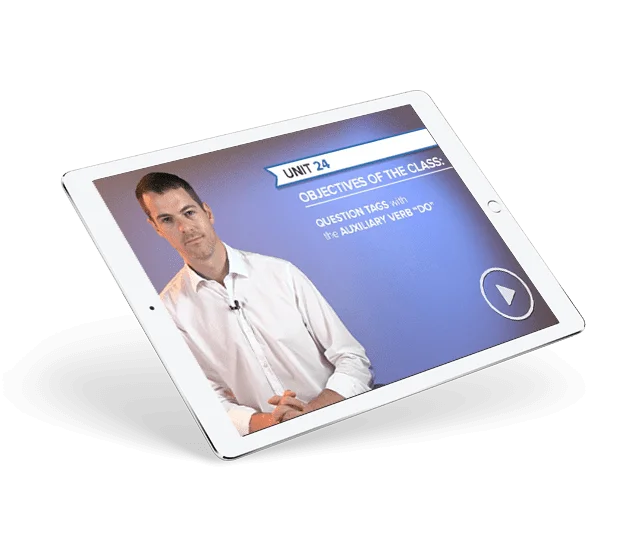
With ABA English you will be able to learn English anytime and anywhere, without depending on schedules or classrooms which represents a great advantage for all those who work and study at the same time or who have long working hours.
+30 MILLION STUDENTS
Join the world’s biggest digital English academy
and learn English
IMPROVE YOUR JOB OPPORTUNITIES
Whether you are looking for a part-time job, just for the summer, to help pay for your university or help with expenses at home, getting a job as a waitress can be the answer.
When working as a waitress, your main concern is communication. You need to understand and be understood. It will be very common that you have to attend customers in English, so learning English represents a great opportunity to improve your job opportunities and stand out at work. A good waiter is not one who only takes orders and brings food to the table, but one who can help their customers choose dishes and recommend the best options offered at the restaurant.

What level of English do you need to work as a waitress?
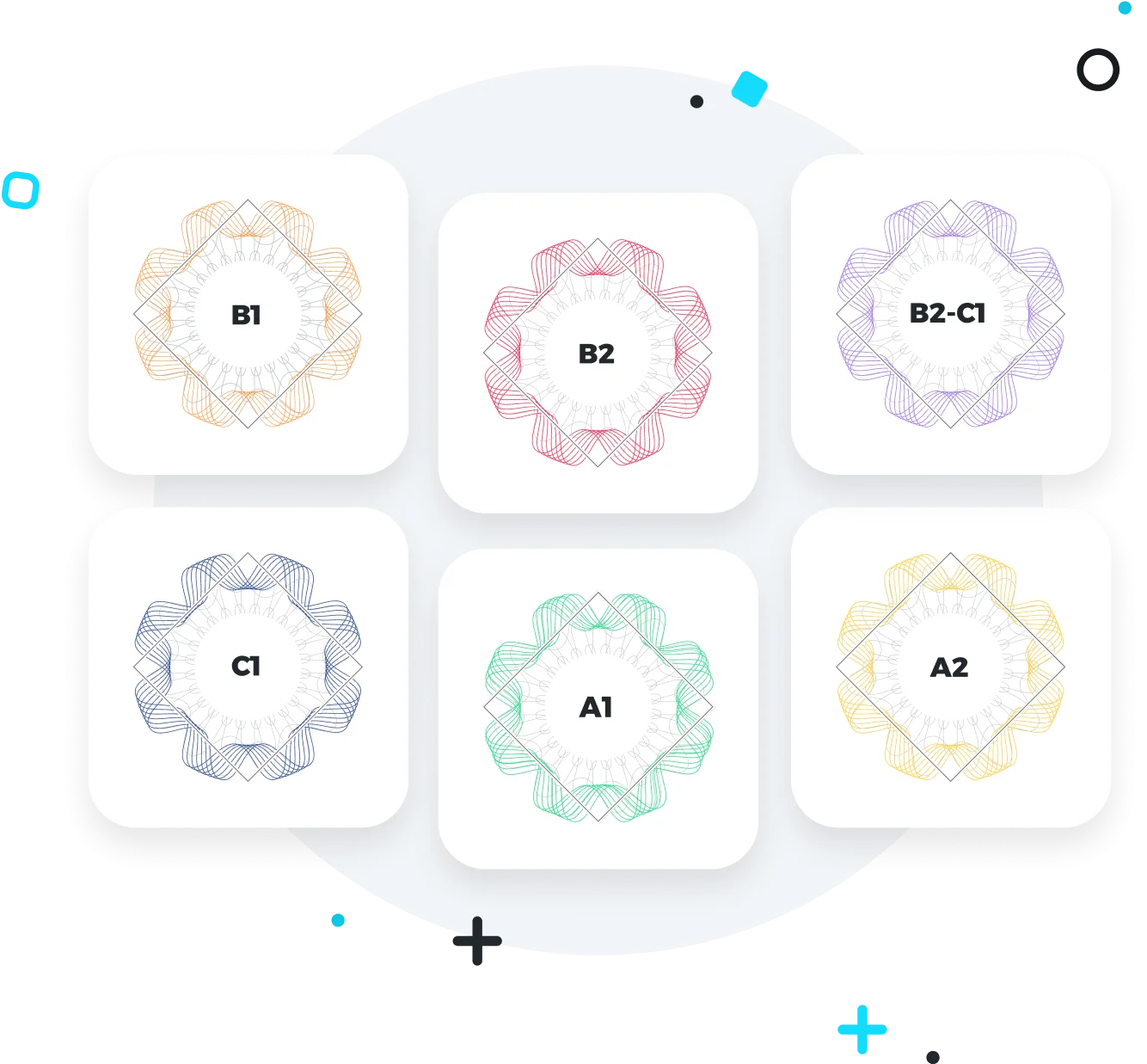
Working in the service area is an excellent way to improve your communication skills in the language because you are talking all day with customers and colleagues. To be able to serve in English in a restaurant, bar, or café requires an intermediate level of English (B1/B2 in the Common European Framework of Reference). As in any other industry, a better command of the English language will put you at a great advantage compared to other applicants for the position.
Some courtesy expressions for a conversation between a waiter and a customer in English are:
May I take your order? (¿Puedo tomar su orden?)
Are you ready to order, sir? (¿Está listo para ordenar, señor? )
How would you like… (your steak)? (¿Cómo le gustaría su filete?)
May I get you anything else? (¿Puedo ofrecerle algo más?)
ABA English helps you improve your professional English
Working as a waitress is not an easy task since it is a physically demanding job: long shifts, spending many hours standing, knowing how to manage stress among other things. With ABA English you will have the great advantage of improving your English anytime and anywhere. At the bus stop, after work, during your lunch break or when you get home after your shift. You will be able to turn any moment into an opportunity to practice your professional English and in this way stay motivated. Even the busiest waitresses will find opportunities during the day to improve their vocabulary related to food and restaurants in English.
How important is English for waiters
The job of a waiter is a very social job that involves a lot of dialogue with customers. There is nothing more effective than a professional, friendly waiter who makes you feel at home.
That is why it is very important to know some English for waiters if you want to communicate efficiently with your international customers and ABA English is here to help you.
Study at your own pace from home and use what you have learned to practice behind the bar with your customers, without embarrassment and without fears, you will be surprised by the progress in fluency and vocabulary you will gain day by day.
Do you know your level
of English?
Take a test now.
English vocabulary for waiters
Because it is very important to explain and understand well when taking an order, here are some English words that will be very helpful to work as a waiter:
- Types of cooking
- Bake (to bake)
- Boil (to boil)
- Burnt (burnt)
- Fry (to fry)
- Grill (grilled)
- Medium rare (medium rare)
- Medium (medium)
- Poach (to poach)
- Rare (rare)
- Raw (raw)
- Roast (to roast)
- Smoked (smoked)
- Steam (to steam)
- Stew (to stew)
- Tinned (canned, preserved)
- Well done (well done)
2. Payment and farewell
- Amount (amount)
- Bill (bill)
- By credit card (by credit card)
- Change (change)
- Expired (expired)
- It’s on me (my treat)
- It’s on the house (it’s on the house)
- Keep the change (keep the change)
- Let us know (let us know)
- My pleasure (my pleasure)
- Receipt (receipt)
- See you soon (see you soon)
- Service (service)
- Tax (tax)
- Tip (tip)
- To charge (to charge)
- To come back (to come back)
- To include (to include)
- To owe (to owe)
- To settle the bill (to settle the bill)
3. More useful vocabulary:
- Barman (bar waiter)
- Beverage (beverage)
- Breakfast (breakfast)
- Client / guest (client)
- Dinner (dinner)
- Full (full)
- Head waiter (head waiter)
- In the shade (in the shade)
- In the sun (in the sun)
- Ice (ice)
- Lemonade (lemonade)
- Lunch (lunch)
- Reservation / Booking (reservation)
- To sample (to sample)
- Terrace (terrace)
Typical phrases and expressions in a restaurant
- It’s a pleasure to see you again.
(Es un placer verle de nuevo).
2. We’d rather be on the terrace, in the shade please.
Perfect, come this way.
(Preferimos estar en la terraza, en la sombra por favor.
Perfecto, acompáñeme).
3. I hope you’ve enjoyed your meal.
(Espero que haya disfrutado su comida).
4. Can we split the bill?
(Podemos pagar por separado)
5. Excuse me, I’m allergic to nuts.
(Discúlpeme, soy alérgico a las nueces).
6. Please, may I have the complaint form?
(Por favor, ¿Me puede dar el formulario de quejas?).