
Explore the famous places in England: fascinating history, culture and tourism
Explore England with a perspective that combines history, culture, and practical tourism. This comprehensive guide will take you through the most iconic places, offer travel tips, suggested routes, and a deep understanding of the cultural value of each destination. The goal: to read, feel inspired, and confidently decide your next adventure.
- Learn English fast and easy
- Your first course for free
- Start now
Introduction: Why England is so appealing
England is a crossroads of histories: from prehistoric monuments to vibrant cities. Here literature, music, architecture, and landscapes change within just a few kilometers. If you are looking for famous places in England or want to know the important places in England, this tour offers historical context, cultural keys, and practical reasons to visit each spot.
The famous places in England you must know
In this section we break down the must-see destinations. Each entry includes: historical context, why it excites travelers, what to see, practical tips, and a brief itinerary recommendation.
1. London: the multifaceted capital
London is a universe in itself. From the Parliament and Big Ben to neighborhoods like Camden, Shoreditch, and Notting Hill, the city blends tradition and avant-garde.
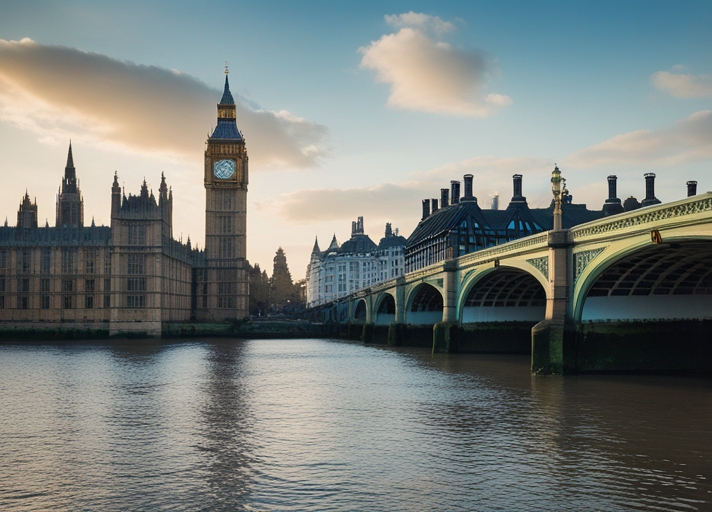
- History and culture: the Tower of London, St Paul’s Cathedral, and the legacy of the monarchy.
- What to see: British Museum (free collections), the Southbank, the West End (theater), and markets like Borough and Portobello.
- Practical tip: use the Oyster card or contactless for savings on transport.
Why not miss it: London offers art, shopping, and gastronomy in one day; it’s the ideal gateway to understanding contemporary England.
2. Stonehenge: prehistoric mystery and landscape
Stonehenge is one of the most powerful archaeological symbols on the planet. Surrounded by hills and trails, its magnetism is both historical and emotional.
- History: Neolithic constructions that still hold questions about their exact purpose.
- Visit: book in advance and arrive early to avoid crowds; sunset and sunrise offer magical light.
3. Bath: Georgian architecture and Roman baths
Bath is synonymous with Georgian elegance. Its Roman baths and golden stone architecture create a very photogenic atmosphere.
- What to see: Roman baths, Royal Crescent, and walks along the River Avon.
- Tip: combine Bath with a getaway to the Cotswolds.
4. Oxford and Cambridge: the university cities
Both represent academic tradition. Their colleges, libraries, and gardens are essential stops to understand English intellectual history.
- What to see: Bodleian Library in Oxford; King’s College Chapel in Cambridge.
- Recommended activity: a boat ride —punting— on the river in summer in Cambridge.
5. York: the medieval city
York preserves walls, cobbled streets, and the impressive Gothic cathedral —York Minster— that dominates the skyline.
- Attractions: The Shambles (historic street), Roman walls, and Viking museums.
- Food tip: try traditional dishes in centuries-old pubs.
6. Lake District: nature and hiking
If you seek lush landscapes and tranquility, the Lake District offers lakes, mountains, and trails for all levels.
- Activities: hiking routes, boat rides, and wildlife watching.
- Tip: book accommodation well in advance during high season.
7. Stratford-upon-Avon: Shakespeare’s birthplace
Shakespeare’s birthplace and theaters dedicated to his work are the cultural heart of this charming small town.
- Why go: for literature and theater lovers.
- Recommendation: watch a play at the Royal Shakespeare Theatre.
8. Canterbury and its cathedral
Canterbury is a historic pilgrimage destination: its cathedral is a World Heritage site and the city preserves charming medieval alleyways.
9. Liverpool and Manchester: music, sports and urban culture
These northern cities offer vibrant cultural scenes: Liverpool with its musical heritage and Manchester with its industrial energy transformed into creativity.
10. Cotswolds: postcard villages
If you want touristic places of England London in a rural version, the Cotswolds are stone villages, gentle hills, and unhurried walks.
Condensed history: from the Romans to modernity
Understanding history helps appreciate each place. From Roman occupation to the Industrial Revolution, England has been the stage of transformations that left visible marks in its architecture and social organization.
Culture and traditions that enrich the trip
English culture is complex: formal etiquette, a strong local sense, and festivities that vary by region. Participating in local fairs, trying the gastronomy, and visiting markets is the best way to connect with daily life.
Typical gastronomy and recommendations
Don’t miss fish and chips, Sunday roast in a traditional pub, and hearty English breakfasts. In cosmopolitan cities you will find international offers that enrich the experience.
How to plan your trip: itineraries according to available time
Good organization allows you to make the most. Here are recommendations by duration:
Weekend (2-3 days)
- Focus on London: main monuments, a museum, and a different neighborhood.
- If you prefer outside the capital, choose Bath + Stonehenge as a quick getaway.
One week
- London + trips to Bath, Oxford or Cambridge. Alternate cities and nature for balance.
10-14 days
- More complete tour: London, Stratford-upon-Avon, Cotswolds, Bath, Stonehenge, York and Lake District.
Practical tips for traveling in England
Below is a list of recommendations with explanations to make your experience comfortable and safe.
Transport
- Trains: the rail network connects cities well; book early for lower fares.
- Buses: economical for intercity trips.
- Car: ideal to explore rural areas like the Cotswolds or Lake District.
Weather and clothing
The weather can change quickly: bring layers, a light raincoat, and comfortable walking shoes.
Language and communication
The official language is English; in tourist cities many speak other languages. If you want to review a small practical grammar, for example prepositions and uses like as, check specific resources about the use of as as in english to interpret signs and everyday phrases with more confidence.
Safety, budget and accommodation
England is generally a safe destination. Still, apply common sense: take care of your belongings in tourist areas and plan your budget according to the season and type of accommodation.
Accommodation
- Pubs with rooms: traditional experience.
- Bed & Breakfast: local attention and direct contact with hosts.
- Hotels and hostels: options for all budgets.
Budget
Budget according to priorities: London is usually more expensive; exploring the north or rural areas can be cheaper.
Suggested itineraries and local experiences
To help you visualize, here are two detailed itineraries and a personalized example that makes the experience tangible.
Cultural itinerary (10 days)
- Days 1-4: London — museums, theaters and markets.
- Day 5: Excursion to Stonehenge and Bath.
- Day 6: Oxford — walks through colleges.
- Days 7-8: York and surroundings.
- Days 9-10: Lake District — nature and disconnection.
Rural and literary itinerary (12 days)
- Days 1-3: London (literary focus: British Library and walks).
- Days 4-5: Stratford-upon-Avon (Shakespeare).
- Days 6-8: Cotswolds (villages and walks).
- Days 9-12: Bath and Bristol, with time for galleries and baths.
Personalized example: Maria’s experience
Maria, a 34-year-old teacher, decided to spend two weeks touring England. She started in London, where she enjoyed a musical in the West End; on the third day she traveled to Bath and was amazed by the elegance of its terraces. In York, she rediscovered her interest in medieval history, and in the Lake District, she found calm during a boat ride. Upon returning, Maria felt she had connected both with history and everyday English life.
Accessibility and recommendations for travelers with special needs
Many attractions offer accessibility; check in advance and request special services. The main museums usually have facilities for reduced mobility, interpreters, or sensory resources depending on the case.
How to make the most of each place: practical psychological tips
Traveling is also managing attention. Here are practical strategies to retain memories and enjoy more:
- Prioritize: choose 2-3 priorities per day to avoid information overload.
- Slow vs fast: alternate intense days with rest days to avoid desensitization.
- Record: keep a travel journal with sensory details —smells, sounds— to reinforce memory.
Photography and memory
Take photos with intention: prioritize images that tell a story instead of collecting generic shots. A photo with a local person or with an architectural detail will help you remember experiences.
Sustainability and cultural respect
Respect local communities: support businesses, reduce waste, and follow regulations at heritage sites. Responsible tourism ensures that these places remain enjoyable for future generations.
Final checklist before leaving
- Documents in order: passport, visas if applicable.
- Travel insurance and digital copies of bookings.
- Electrical adapters, transport card, and offline maps.
- Layered clothing and comfortable shoes.
Conclusion: England for all interests
England offers an inexhaustible wealth: from famous places in England that everyone recognizes to lesser-known corners that reward curiosity. Whether you come for history, culture, nature, or simply to stroll its streets, this country has something that will change you and make you return.
Act now: organize your itinerary, prioritize what excites you most, and remember to book early in high season. If you want to improve your confidence with the language before traveling —including specific doubts about prepositions like as— check specific resources that will help you communicate confidently: as in english.
Final inspiration: combine walks, contemplative moments, and local encounters. This way you will turn a visit into an experience you will remember forever.