How to learn to
speak advanced english
Do you want to learn to speak advanced English? ABA English supports you with all the means to achieve it. Register for free to our course and join the over 30M students who have trusted us.
How to communicate in advanced English?
With ABA English you can learn English online in a simple and innovative way. You will achieve the advanced knowledge you are looking for from the comfort of your home.
You will also have the support of a native private teacher with whom you can practice and clear all your doubts.
+30 MILLION STUDENTS
Join the largest digital English academy
in the world and learn English
DO YOU WANT TO LEARN ADVANCED ENGLISH?
Having English knowledge is always very positive both personally and professionally and academically, and even more if you achieve a higher level. With an advanced level of English you will have access to better jobs and it will be easy for you to pursue careers taught in English or related to the language.
If you want to deepen your knowledge and wonder how to learn to speak advanced English, the ABA English advanced course is what you need.
TIPS TO LEARN ADVANCED ENGLISH
If you wonder how to speak advanced English, follow these tips and you will be able to achieve it in a fluent and natural way:
To achieve fluency at the advanced level it will be necessary to adapt your ear to different accents, through media in English, such as movies, series or TV shows without subtitles.
If possible, communicate with native speakers and you can further train your ear and achieve greater fluency.
If you have the chance, take a trip to an English-speaking country and take advantage of direct contact with the language.

LEARN ADVANCED ENGLISH WITH ABA ENGLISH
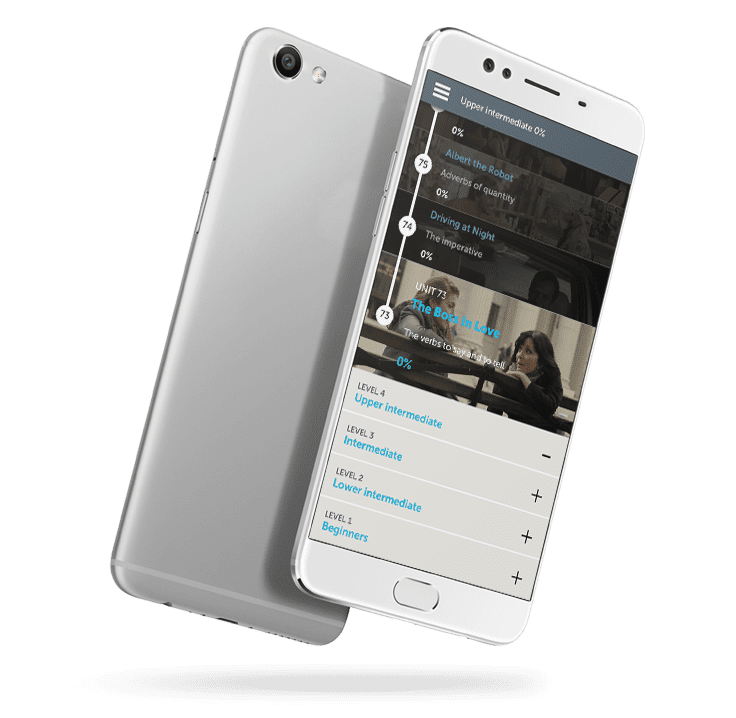
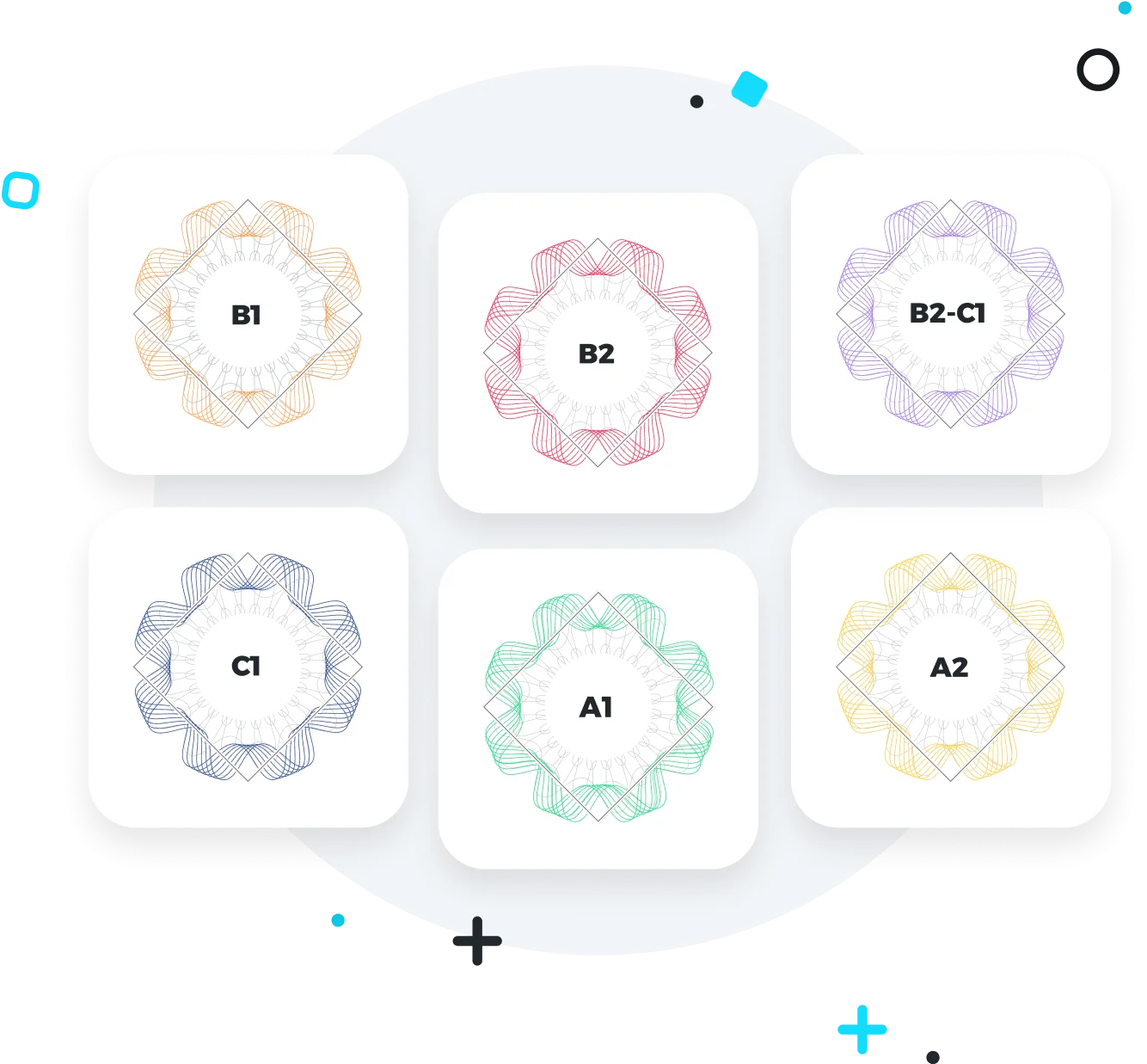
The ABA English ADVANCED English course or C1 according to the CEFR, is aimed at people with an advanced level of English. In this course, which consists of 24 units (approximately 130 study hours), you will be able to understand structured texts and communicate fluently with native speakers.
You will learn through short films of own production made by native speakers in which you will hear conversations in advanced English, and then you will do entertaining activities to practice the contents learned in each unit. All this with the support of a native private teacher, with whom you can practice conversation and clear all your doubts.
If you are looking for a free online advanced English course, with ABA Free you will be able to learn effectively without spending money.
Speaking advanced English as a goal
If your goal is to speak advanced English, congratulations for setting yourself this great challenge!
Now, you will have to dedicate many hours to develop your different skills, for example sharpening your ear, acquiring new vocabulary, and especially practicing advanced level grammar.
Let’s see below examples of grammatical topics for advanced level:
Cleft Sentences (CS)
They are used to split a message using What or It to give new, more important or contradictory information.
- What clauses
They are very common sentences in English speech and we can divide them into two types:
-What clause focused on an action and follows the structure What + Subject + verb + Verb to be + Infinitive clause. Example:
What Tom does is pretend he hasn’t heard me. (What Tom does is pretend he hasn’t heard me.)
-What clause focused on a complete sentence and follows the structure What happens + Verb to be + clause. Example:
What happens is they end up having a row. (What happens is they end up having a row.)
- It clauses
In these sentences, the information is emphasized using the structure It + Verb to be + noun + defining relative clause. Examples:
It would probably be my sister who I’d talk to first. (It would probably be my sister who I’d talk to first.)
It wasn’t until she broke up with her boyfriend that my new friend started to confide in me. (It wasn’t until she broke up with her boyfriend that my new friend started to confide in me.)
Participle clauses
There are 3 types of participle clauses:
-Present participle clause : Verb + –ing
Gliding silently along in a canoe you get to see rural Asturias. (Gliding silently along in a canoe you get to see rural Asturias.)
-Past participle clause : Past participle verb
Caught locally every day, it’s always wonderfully fresh. (Caught locally every day, it’s always wonderfully fresh.)
-Perfect participle clause = Having + past participle.
Having lived through difficult times together, they end up getting married.(Having lived through difficult times, they end up getting married.)
Vocabulary to speak advanced English
Below we share some vocabulary and expressions used at an advanced speaking level:
- Accomplish a goal (to achieve a goal.)
- Arduous (arduous, tedious.)
- Cajole (to persuade.)
- Chuffed (pleased, satisfied.)
- Cuddly (adorable, cute.)
- Nudge (to elbow.)
- Outback (rural area, countryside.)
- Paddy (tantrum, fit.)
- Petty (insignificant.)
- Sly (cunning, sly.)
- Snap decision (sudden decision.)
- Tacky (tacky, vulgar.)
- Take it or leave it (take it or leave it.)
- Tramp (vagabond.)
- To hiss (to say under one’s breath.)
- Undergo (to undergo; to suffer.)
Other links of your interest:
- How to learn to speak on the phone in English
- How to learn advanced English
- How to learn basic English
- How to learn British English
- How to learn English while sleeping
- How to learn English in a short time
- How to learn English without grammar
- Tips to learn English for free
- Adverbs in English
- Pronouns in English
- List of regular verbs in English
- Verb to be in English
- Passive voice in English