
Navigate the world of fish: learn 20 names, styles and types in English
Welcome: in this comprehensive guide you will navigate the universe of fish and learn what they are called in English, what styles and types exist, and how to use these terms in real sentences. This article is designed both for English learners who want to expand their vocabulary and for fans of biology, gastronomy, or fishing.
- Learn English fast and easy
- Your first course for free
- Start now
Why learning fish names in English matters
Knowing 20 fish names and their types in English is not just a curiosity: it broadens your communicative ability when you travel, buy fish, read scientific documentation or enjoy content on the internet. Also, mastering this terminology enables you to understand recipes, menus, and conservation guides that are usually in English.
Essential list of 20 names, styles and types in English
Below is an organized and commented list. For each entry you will find: the name in English, the translation into Spanish, the type (e.g. freshwater / saltwater; rock fish, pelagic, demersal), and an example sentence in English followed by its translation into Spanish. This structure will help you memorize and use each term naturally.
- 1. Salmon — salmón (anadromous and pelagic fish) — Example: “The salmon migrate upstream in the fall.” — “El salmón migra río arriba en otoño.”
- 2. Tuna — atún (pelagic fish, highly valued in gastronomy) — Example: “Tuna steaks are perfect for the grill.” — “Los filetes de atún son perfectos para la parrilla.”
- 3. Cod — bacalao (demersal fish, typical in traditional dishes) — Example: “Cod is often used in traditional fish and chips.” — “El bacalao se usa a menudo en el tradicional fish and chips.”
- 4. Trout — trucha (freshwater, salmon family) — Example: “We caught a rainbow trout in the lake.” — “Capturamos una trucha arcoíris en el lago.”
- 5. Mackerel — caballa (pelagic, oily) — Example: “Grilled mackerel tastes rich and smoky.” — “La caballa a la parrilla tiene un sabor intenso y ahumado.”
- 6. Sardine — sardina (small pelagic, common in canned foods) — Example: “Sardines are packed with omega-3.” — “Las sardinas están llenas de omega-3.”
- 7. Halibut — halibut / fletán (bottom fish, firm flesh) — Example: “Halibut fillets are ideal for baking.” — “Los filetes de fletán son ideales para hornear.”
- 8. Snapper — pargo (demersal, common in warm waters) — Example: “Red snapper is a delicate, sweet fish.” — “El pargo rojo es un pescado delicado y dulce.”
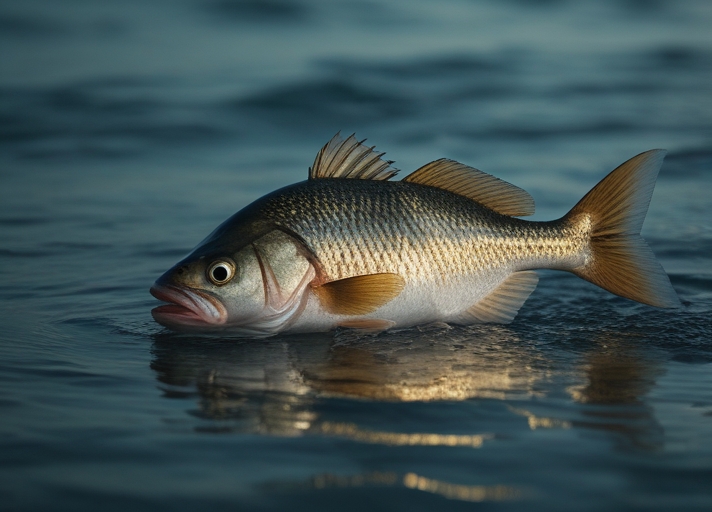
- 9. Bass — lubina/róbalo (can be freshwater or saltwater) — Example: “Sea bass goes well with citrus sauces.” — “La lubina combina bien con salsas cítricas.”
- 10. Anchovy — anchoa (small, widely used in sauces) — Example: “Anchovies add umami to sauces.” — “Las anchoas añaden umami a las salsas.”
- 11. Herring — arenque (pelagic, preserves and smoked) — Example: “Pickled herring is a Nordic favorite.” — “El arenque en escabeche es un favorito nórdico.”
- 12. Swordfish — pez espada (pelagic, firm flesh) — Example: “Swordfish steaks are meaty and filling.” — “Los filetes de pez espada son carnosos y abundantes.”
- 13. Grouper — mero (demersal, large reef fish) — Example: “Grilled grouper is common in coastal restaurants.” — “El mero a la parrilla es común en restaurantes costeros.”
- 14. Carp — carpa (freshwater, common in lakes and ponds) — Example: “Carp is popular in many freshwater cuisines.” — “La carpa es popular en muchas cocinas de agua dulce.”
- 15. Flounder — lenguado (flatfish, demersal) — Example: “Flounder fillets are thin and delicate.” — “Los filetes de lenguado son finos y delicados.”
- 16. Seahorse — caballito de mar (peculiar, non-edible in most cultures) — Example: “Seahorses are unique and fragile creatures.” — “Los caballitos de mar son criaturas únicas y frágiles.”
- 17. Stingray — mantarraya/raya (cartilaginous, flat shapes) — Example: “Stingrays glide smoothly along the seabed.” — “Las rayas se deslizan suavemente por el lecho marino.”
- 18. Catfish — bagre (freshwater, many have whisker-like barbels) — Example: “Fried catfish is a Southern classic.” — “El bagre frito es un clásico sureño.”
- 19. Eel — anguila (elongated, some species smoked or in sushi) — Example: “Eel is often served grilled in Japanese cuisine.” — “La anguila a menudo se sirve a la parrilla en la cocina japonesa.”
- 20. Pike — lucio (freshwater predator) — Example: “The northern pike is a fierce freshwater predator.” — “El lucio del norte es un feroz depredador de agua dulce.”
How to use these names in context (useful sentences)
Learning isolated words helps, but learning to place them in sentences turns you into an effective communicator. Here are natural expressions, with their translation, for different contexts:
- At the market: “How fresh is the salmon?” — “¿Qué tan fresco está el salmón?”
- In the kitchen: “Season the cod with lemon and herbs.” — “Sazona el bacalao con limón y hierbas.”
- Fishing: “We caught several trout near the inlet.” — “Capturamos varias truchas cerca de la entrada.”
- Conservation: “Overfishing threatens tuna populations.” — “La sobrepesca amenaza a las poblaciones de atún.”
Personified example: Ana’s story
Ana lives in a coastal city and decided to learn marine vocabulary to better understand menus and chat with the fishermen at the port. She started with the 20 words on this list. One day, at the market, she said to the seller: “Do you have fresh snapper today?” — “¿Tiene pargo fresco hoy?” Thanks to that simple phrase in English she could choose her purchase better and felt more confident. These small victories increase motivation —and confidence— to keep learning.
Types and styles: basic classification to understand where each fish lives
Understanding types (freshwater vs. saltwater) and styles (pelagic, demersal, anadromous, catadromous) gives you a semantic advantage. Here we explain each category with concrete examples.
Freshwater
Freshwater fish live in rivers, lakes, and ponds. Examples: trout, carp, catfish, pike. In English, when you want to specify the habitat you can say: “This species is native to freshwater lakes.” — “Esta especie es nativa de lagos de agua dulce.”
Saltwater and pelagic
Pelagic fish (like tuna, mackerel) live in the water column. They are common in commercial fishing and international dishes. Sentence: “Pelagic species migrate long distances.” — “Las especies pelágicas migran grandes distancias.”
Demersal and bottom fish
These include species like cod, halibut, or grouper, which live near the seabed. Their flesh is usually firm and suitable for many cooking methods.
Exceptional and cartilaginous species
Rays (stingray) and some others belong to different groups; there are also cartilaginous fish (like sharks) that we have not listed here but share traits with rays.
Practical tips to memorize and use vocabulary
Combine these techniques to better retain the 20 key words: visual association, example sentences, spaced repetition, and active use. Some suggestions:
- Flashcards with image and sentence: one side with the fish photo, the other with “Salmon — salmón — The salmon migrate upstream in the fall.“
- Create small stories: like Ana’s, which combines emotions and memory.
- Listen and repeat: watch documentaries and repeat the sentences aloud to improve pronunciation.
Sample exercises
Here are three practical exercises:
- Identify: Look at pictures and say the name in English and Spanish. Example: “This is a tuna — esto es un atún.”
- Describe: Use adjectives: “The cod is flaky and white.” — “El bacalao es desmenuzable y blanco.”
- Role-play: Simulate buying at the market: “I’d like two fillets of salmon, please.” — “Quisiera dos filetes de salmón, por favor.”
How to keep learning: practical resources and next steps
To advance, combine reading, audio, and conversational practice. If you want to improve grammar and build more complex sentences related to the topic (for example, using future tenses: “The fishermen will catch tuna next season.” — “Los pescadores capturarán atún la próxima temporada.”), you can deepen with specialized courses and materials. If interested, check grammar resources to master structures like will structure, which will help you talk about future actions related to fishing and conservation.
Weekly practice
Plan short sessions: 20–30 minutes daily combining reading, visual anchoring, and oral practice. Consistency boosts memorization and transfer to real situations.
Frequently Asked Questions
What is the difference between “fish” and the specific name?
“Fish” is the general category. When you say “salmon” you refer to the specific species. In context: “I like fish” (I like fish in general) vs. “I like salmon” (I like salmon specifically).
How do I pronounce “anchovy”?
“Anchovy” is pronounced /ˈæn.tʃə.vi/. Repeat: “anchovy — anchoa”. Practicing with audio helps a lot.
Closing and call to action
You have gone through a complete guide combining vocabulary, context, and practice. If you want to turn this knowledge into real fluency and master the grammar that will help you express yourself about plans and predictions related to fishing, cooking, or marine biology, I suggest you take the next step.
With small daily steps and contextualized practice you will be able to use these 20 fish names, understand their types, and apply them confidently in real conversations. Good luck with your learning!